
Refrigerator Not Cooling
The compartment is warm but the appliance still has power and still makes noise.
Causes, cheapest first
- Blocked condenser or grillelowest
- Evaporator fan not runninglow
- Defrost system failurelow to moderate

Start with the symptom
Every symptom we are called out for, traced to the causes that actually explain it — cheapest first. Start from what you are seeing rather than from what you think is broken.
Mon–Sat, 8am–8pm
Book a visit
Three short steps, about a minute.
or call (844) 681-4650
Loading appointment form…
The appointment form couldn’t load. Please try again.
A refrigerator that is not holding its temperature puts the food at risk, so these come first — with the causes each one usually turns out to be, cheapest first.
The compartment is warm but the appliance still has power and still makes noise.
Causes, cheapest first
The single most diagnostic pattern on a refrigerator, and almost never the compressor.
Causes, cheapest first
Soft ice cream and refreezing frost, or a cabinet that has gone entirely warm.
Causes, cheapest first
No light, no sound, no display — and the first questions are about the supply, not the appliance.
Causes, cheapest first
The food is not at risk with these, so they can usually wait for a scheduled visit. Each page says what to check yourself first.
A built-in is serviced from the front, a column is two appliances, and a chest freezer in a cold garage may not be broken at all. Find yours.
All refrigerator types
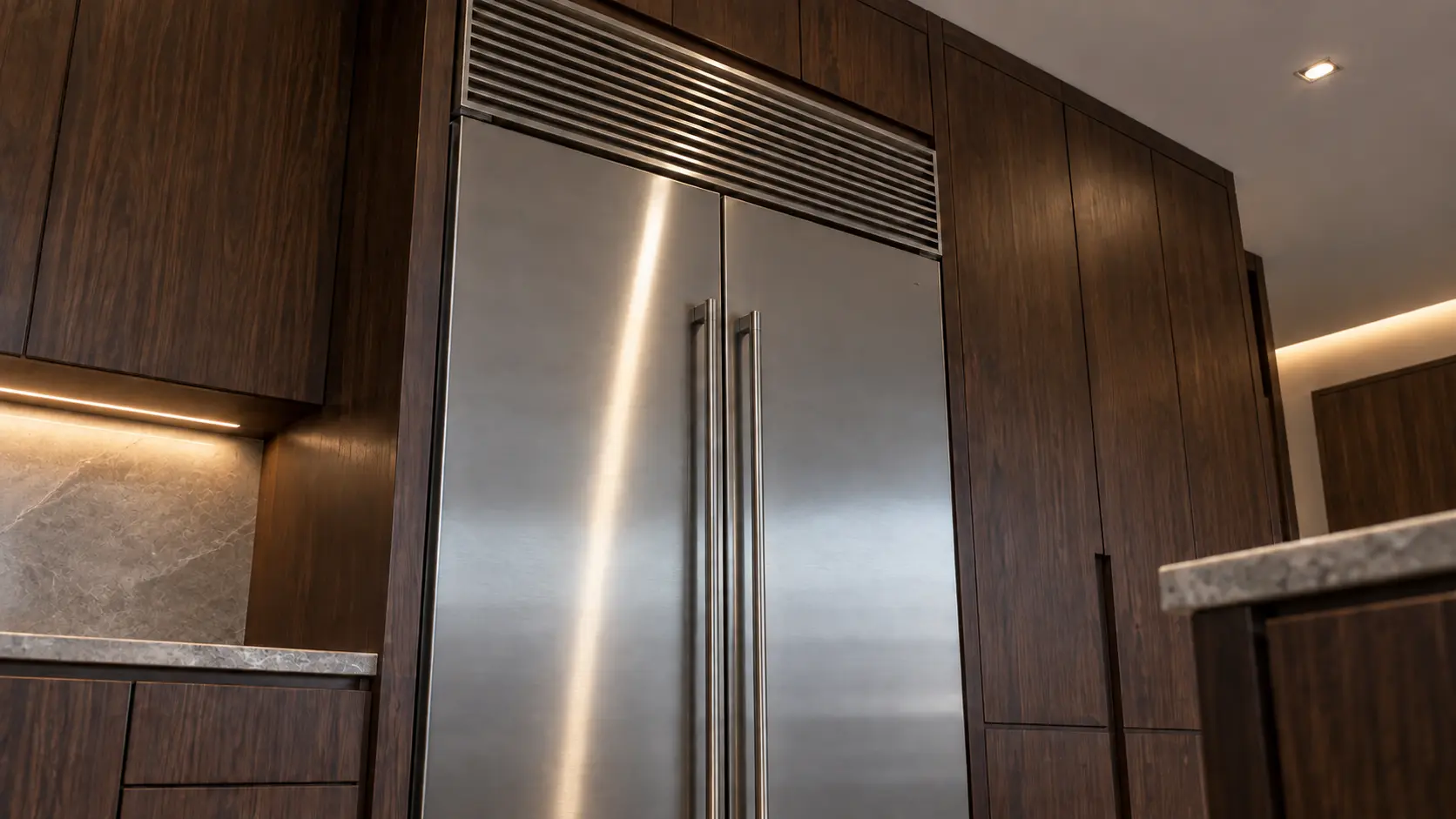
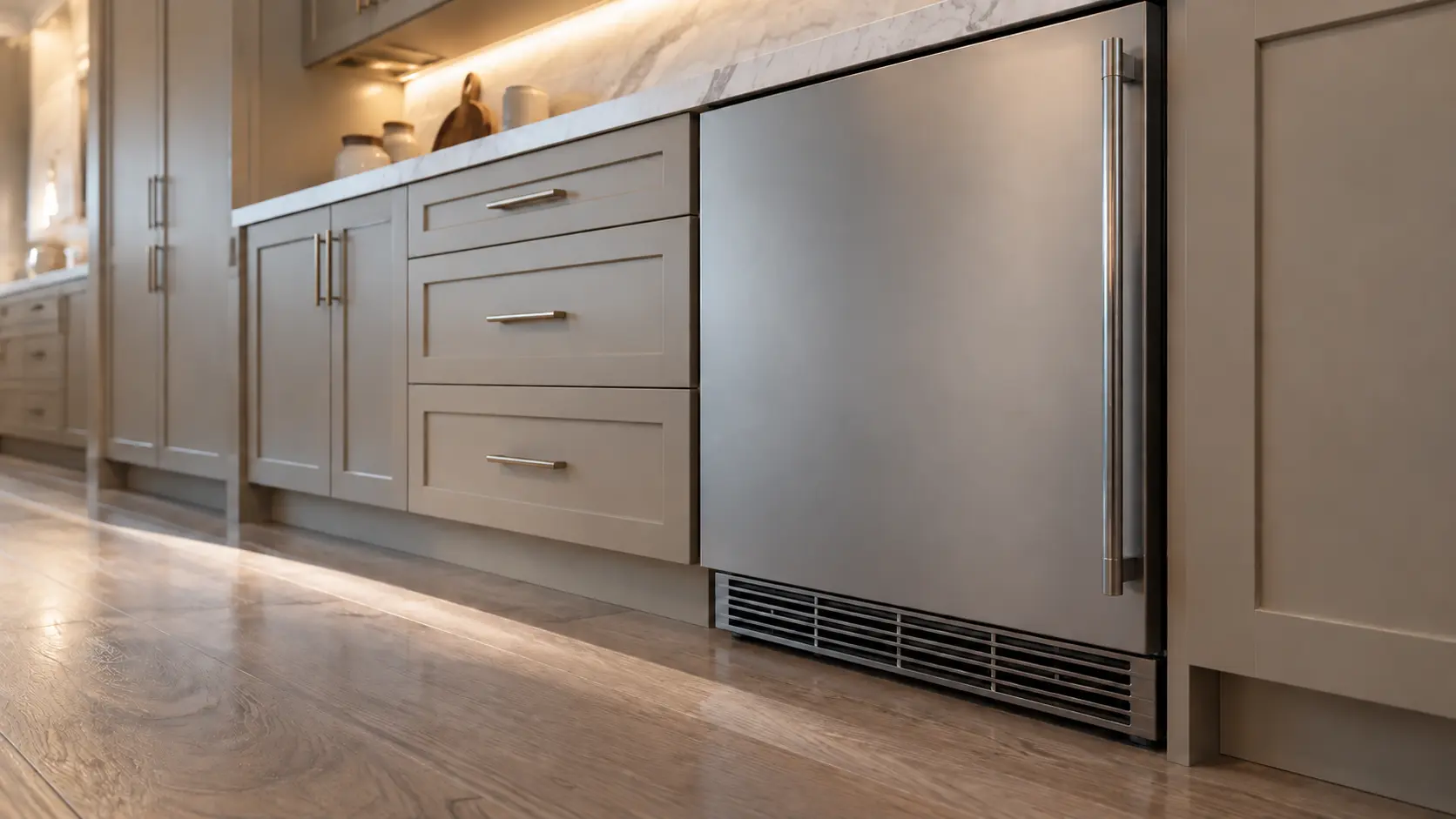
Flush with the cabinets, serviced from the front, and almost always repaired rather than replaced.
Separate refrigerator and freezer towers, each with its own sealed system — so a failure stays on one side.
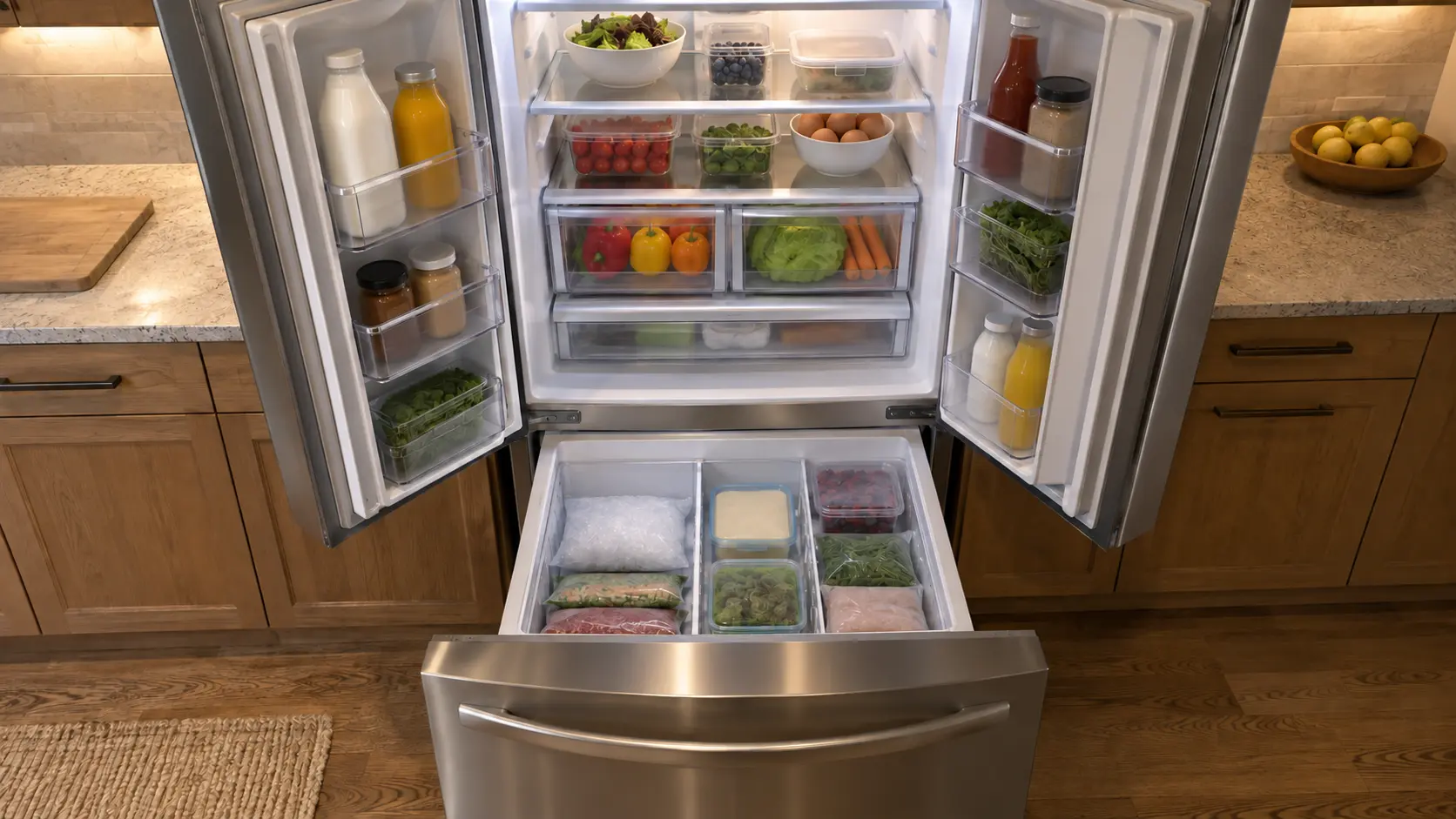
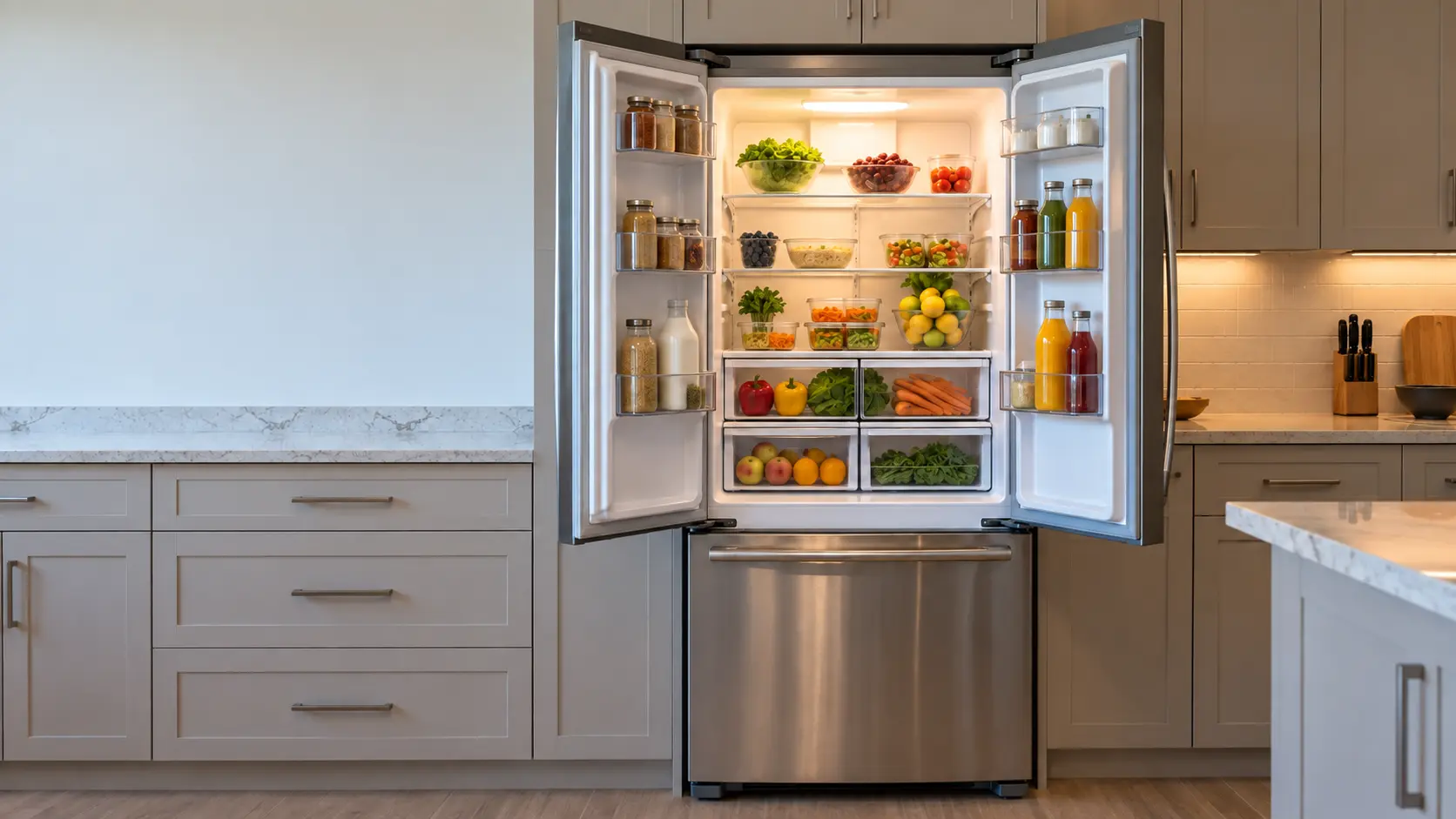
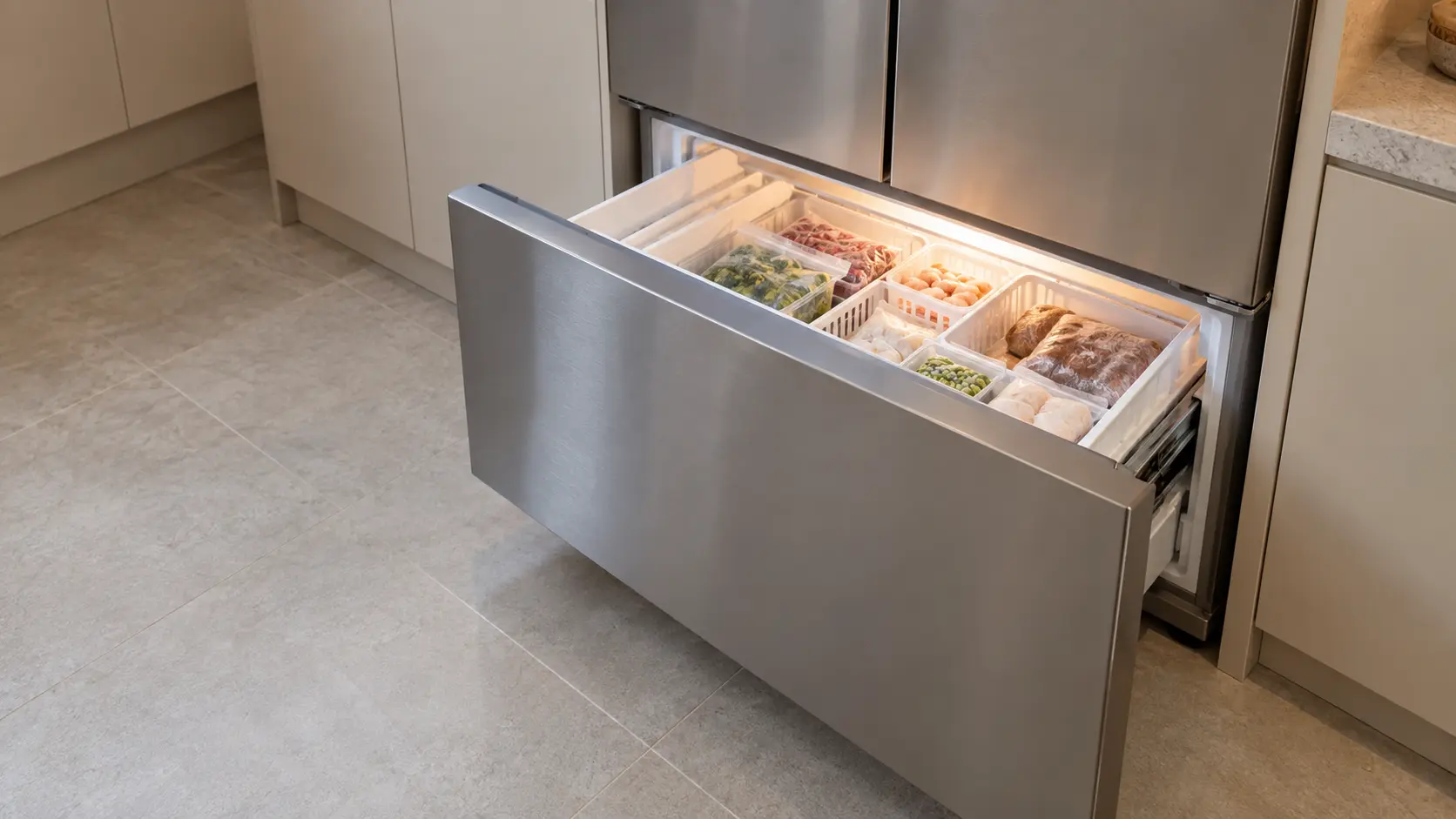
Two fresh-food doors over a freezer drawer — the most common premium layout, and the one with the most to go wrong at the door line.
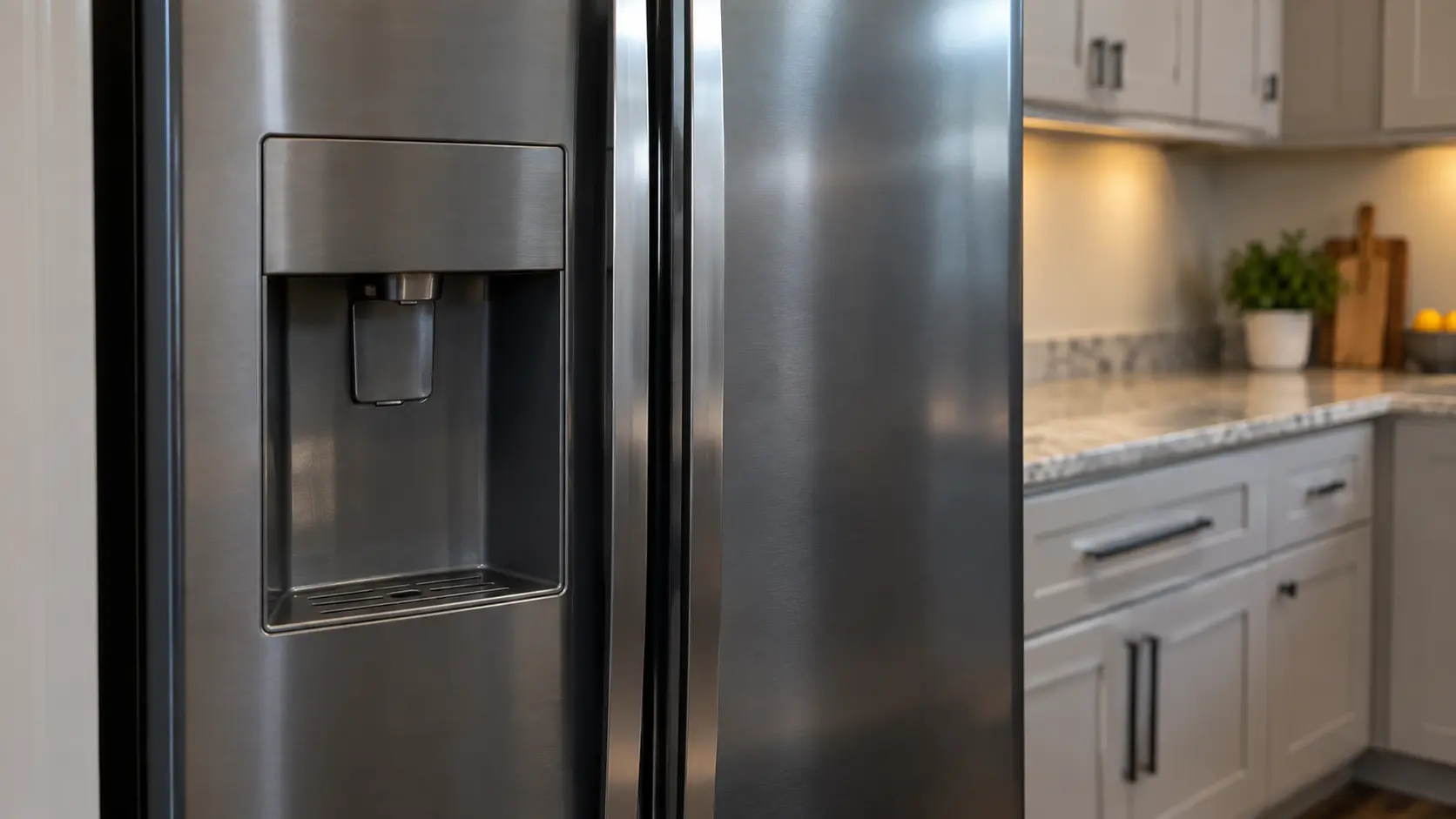
Full-height freezer beside full-height fresh food, with the ice maker and dispenser built into the freezer door.
A single 15 to 24 inch unit under the worktop — front-vented, tightly enclosed, and easily starved of air.
Every kind we serviceThe archive puts the 5 types against each other: how to tell which you own, what fails on each, and which manufacturers build them.
How to tell yoursWhat fails on eachWho makes them Open the type archiveFamiliar brands. Expert care.
Independent repair service. Not affiliated with, authorized or endorsed by any manufacturer. Brand names and model numbers are the property of their respective owners and are used here for identification only, to describe the appliances we service.
Most people arrive knowing what they are seeing, not what is wrong. These are the jobs a visit usually turns out to be.
The visit that decides what the repair actually is, before any part is ordered.
The expensive end of the list, and the one where the type of refrigerator decides whether to do it at all.
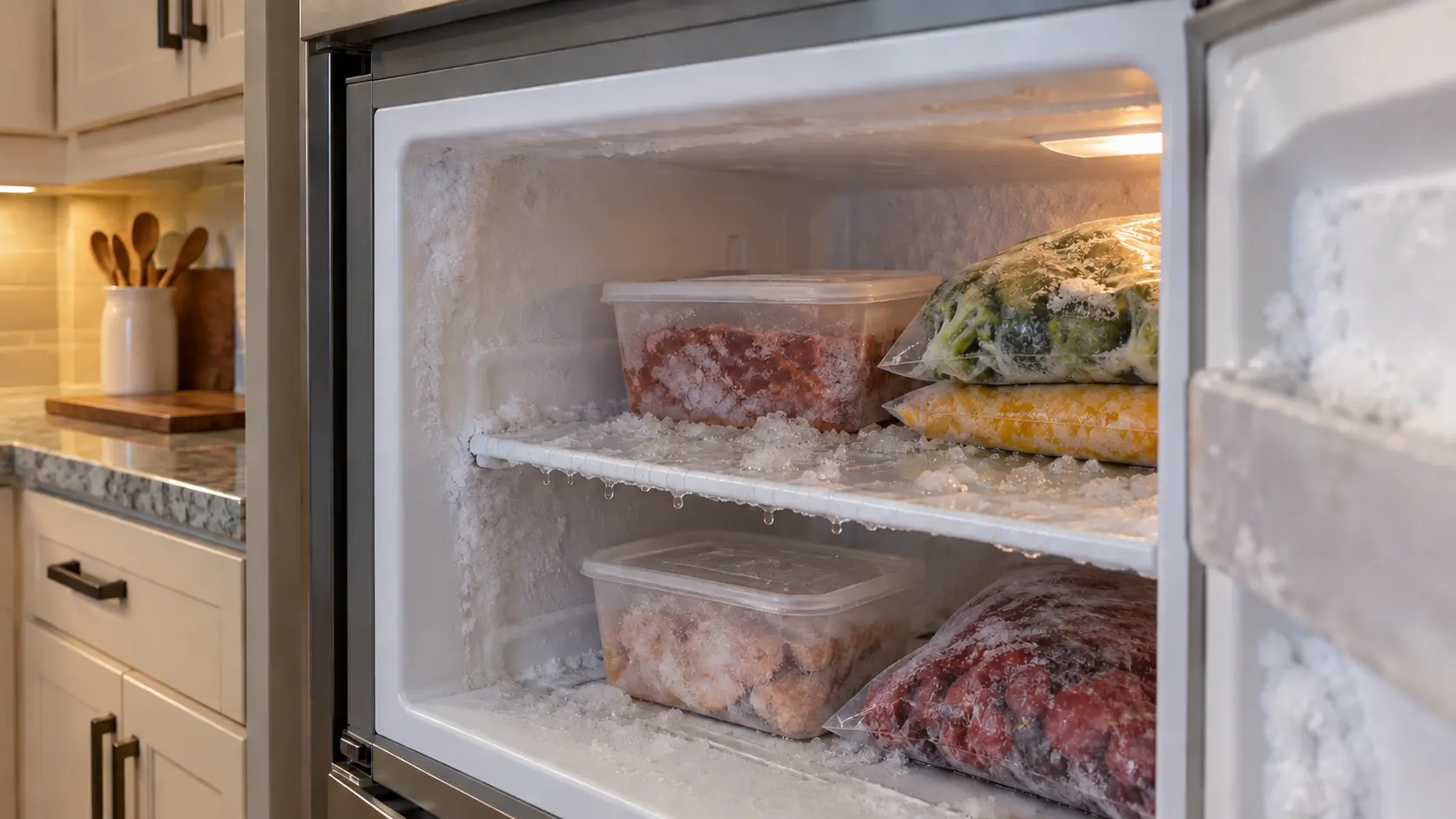
The failure behind most slow, gradual losses of cooling — and behind most visible frost.
Two fans, two completely different failures — one stops the cold arriving, the other stops the heat leaving.
The cheapest job on the list, and the real cause of a great many expensive-sounding symptoms.
Most no-ice calls end upstream of the ice maker, at a valve, a tube or a bin sensor.
One chain from the house shut-off to the paddle, and the problem is always at one link of it.
A refrigerator cools to what it believes the temperature is, and a sensor reading wrong is obeyed perfectly.
Three separate water systems, and a leak belongs to exactly one of them.
The one visit that prevents more calls than any other, and the cheapest thing on this list.
Back to your everyday
Three short steps online, or one call. Tell us what you are seeing and pick a window that works.