


Which kind do you actually need
Choosing and comparing
guides.
Built-in against counter-depth, column pairs, undercounter, panel-ready — what fits, what it costs to own, and what each is like to live with.
Mon–Sat, 8am–8pm
- Four guides
- Read before you book
- Says where to stop
Book a visit
Three short steps, about a minute.
or call (844) 681-4650
Loading appointment form…
The appointment form couldn’t load. Please try again.
Choosing and comparing,
guide by guide.
These guides are for the moment before a purchase, or the moment a repair estimate makes you wonder whether to buy instead. They compare kinds of refrigerator rather than makers: built-in against counter-depth, a single appliance against a pair of columns, a stainless front against a cabinet panel. Each kind carries consequences that last as long as the kitchen does.
All 19 guides



Which kind do you actually need.
We write them from the repair side. That means less about shelf layouts and finishes, and more about where each design breathes, how it is reached when something wears out, and what replacing it would involve years from now. Those are the questions a showroom rarely raises and a service call always does.
Read them if you are planning a remodel, choosing between two quotes for a new unit, or trying to decide whether a failing appliance deserves one more repair.
Not sure where to start?The short answerRepair or replace: how the type of refrigerator decides it
Whether to repair or replace a refrigerator depends on its type: built-ins and columns are nearly always worth repairing, and undercounter units usually are, because a replacement must fit the cabinet opening.
The short answerBuilt-in, counter-depth or freestanding — the difference that lasts
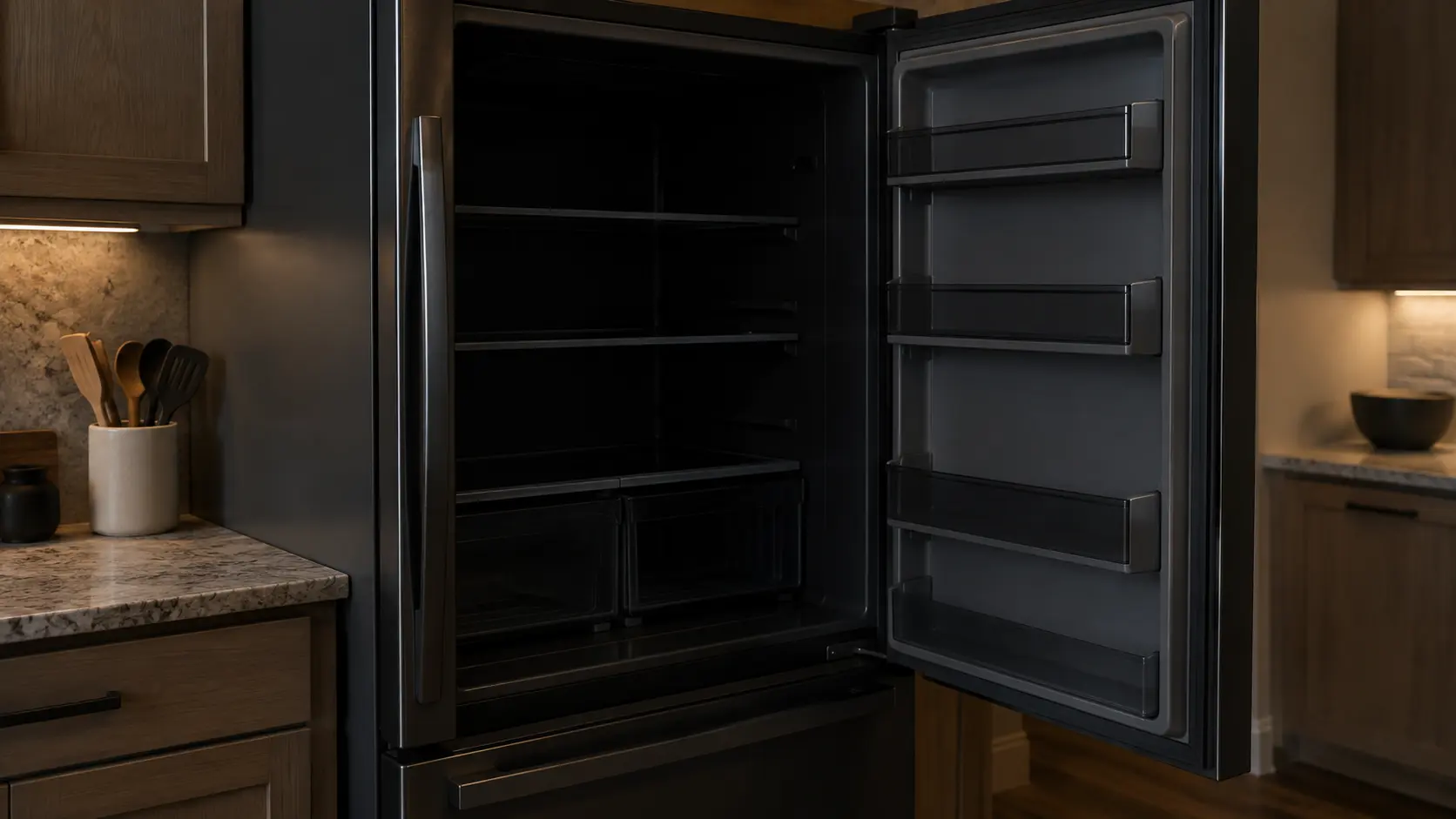
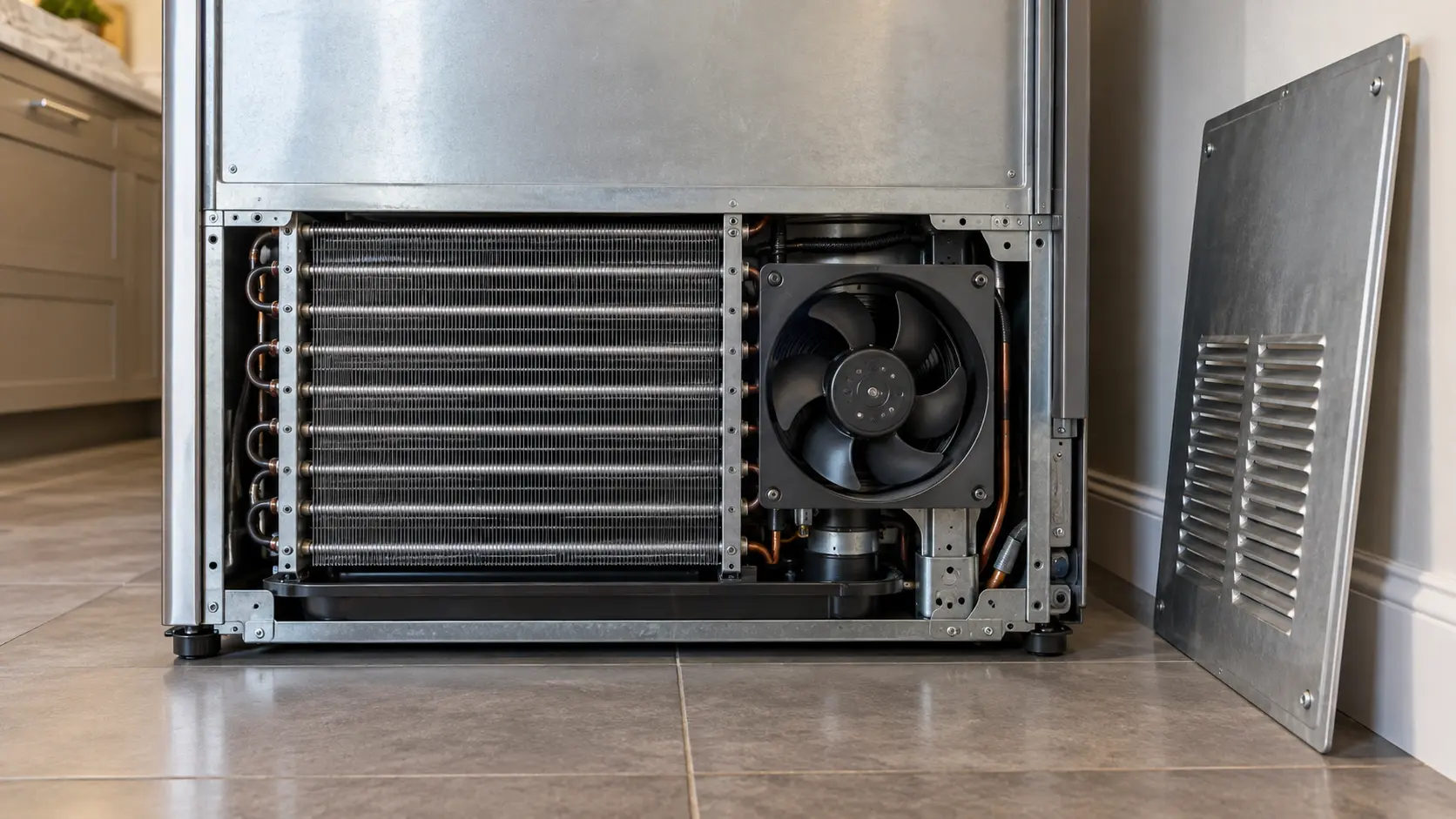
In the built-in vs counter-depth refrigerator choice, a built-in is part of the cabinetry, anchored in its opening and venting through a front grille, while a counter-depth unit is simply a shallower freestanding appliance that rolls out for service.
The short answerColumn pairs: what two separate appliances actually buy you
A column refrigerator pair buys independence: two complete appliances, each with its own compressor and controls, so if the refrigerator column fails, food can move to the freezer column.
The short answerPanel-ready: what nobody mentions until the first service call
A panel-ready refrigerator hangs a cabinetmaker's panel on its own door hinges, so every door or gasket repair includes removing that panel, rehanging it and realigning it.
When reading
is not enough.
If the checks in these guides did not settle it, the visit picks up from there, stop by stop.
What repairs cost- 01Diagnose
- 02Quote before any work
- 03Parts
- 04Repair and check
The problems
these answer.
Each has a page of its own, with the causes in the order worth checking.
All 18 problems



Questions about
choosing and comparing.
Do these guides recommend particular brands?
I already own my refrigerator. Is this section still useful?
Will a guide here tell me whether to repair or replace?
The other
sections.
Split by what you are trying to find out rather than by which part of the appliance it concerns.
All guides


Safety and food

Start from your question
The four questions most visits start with, each with the guide that answers it.
19 guidesWhere to start Where to startBack to your everyday
Let’s get your refrigerator working again.
Three short steps online, or one call. Tell us what you are seeing and pick a window that works.