
What you can check yourself
Troubleshooting
guides.
The checks that are safe to do on your own, and the point at which doing more stops being sensible.
Mon–Sat, 8am–8pm
- Three guides
- Read before you book
- Says where to stop
Book a visit
Three short steps, about a minute.
or call (844) 681-4650
Loading appointment form…
The appointment form couldn’t load. Please try again.
Troubleshooting,
guide by guide.
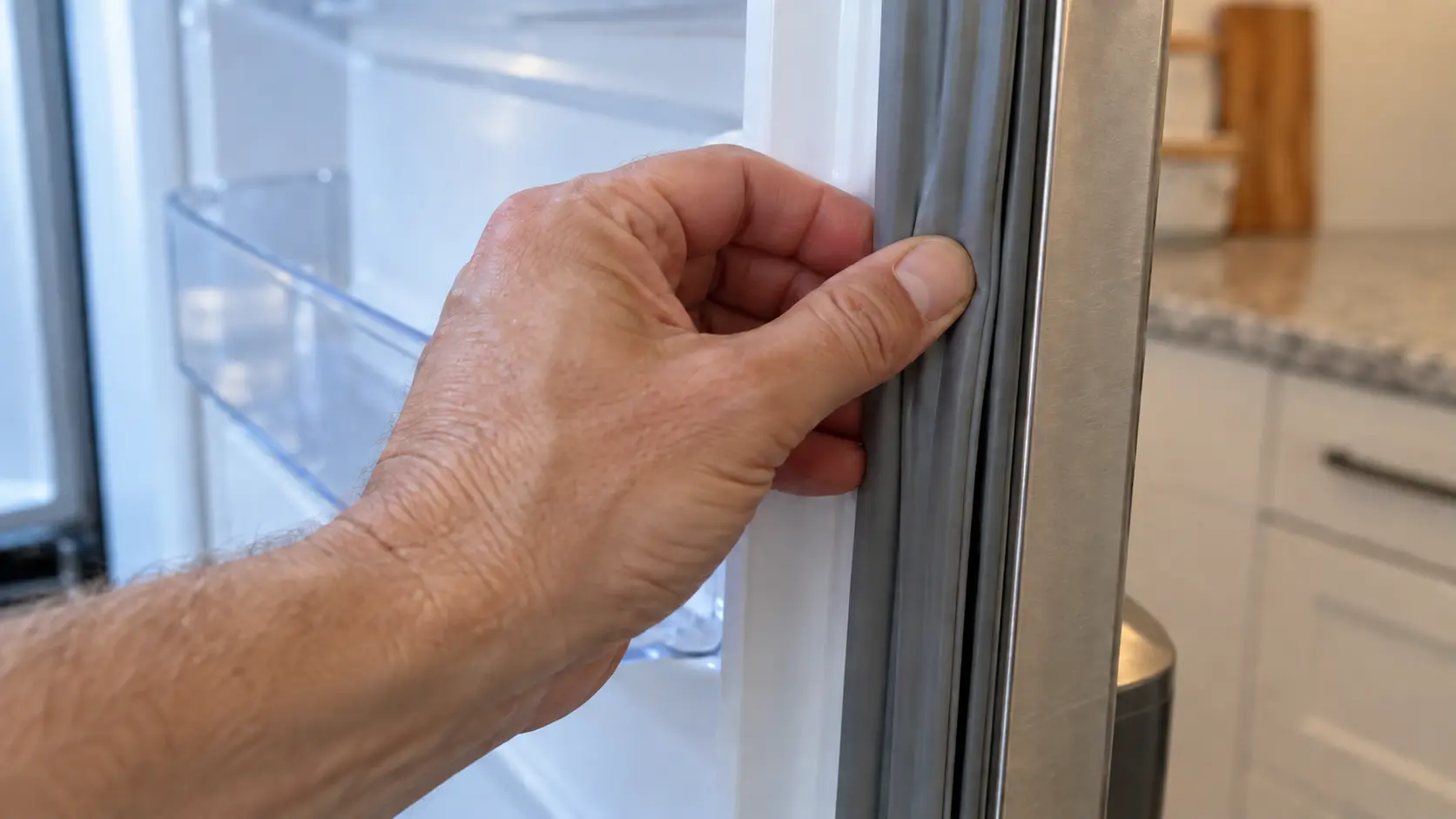
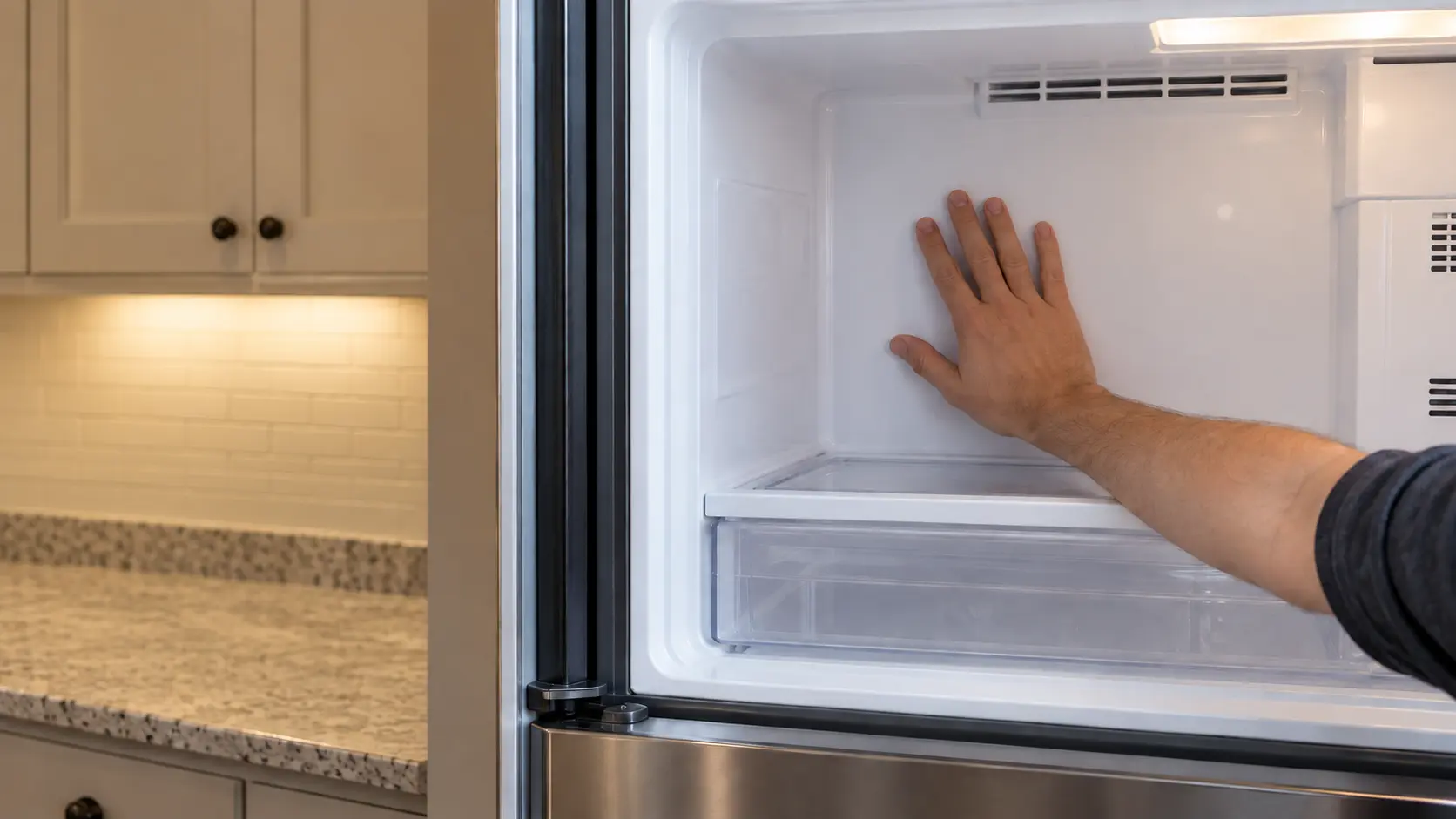
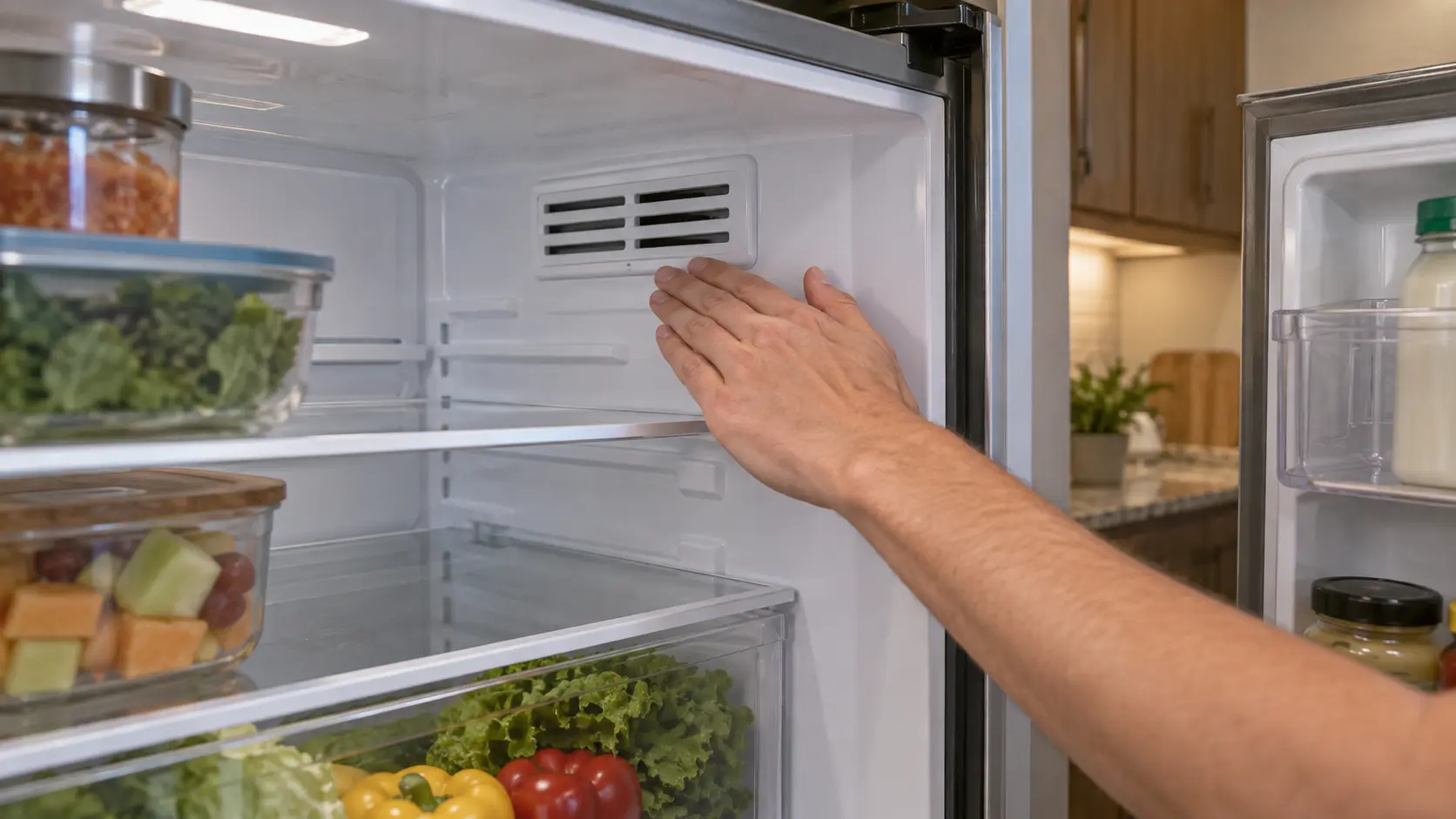
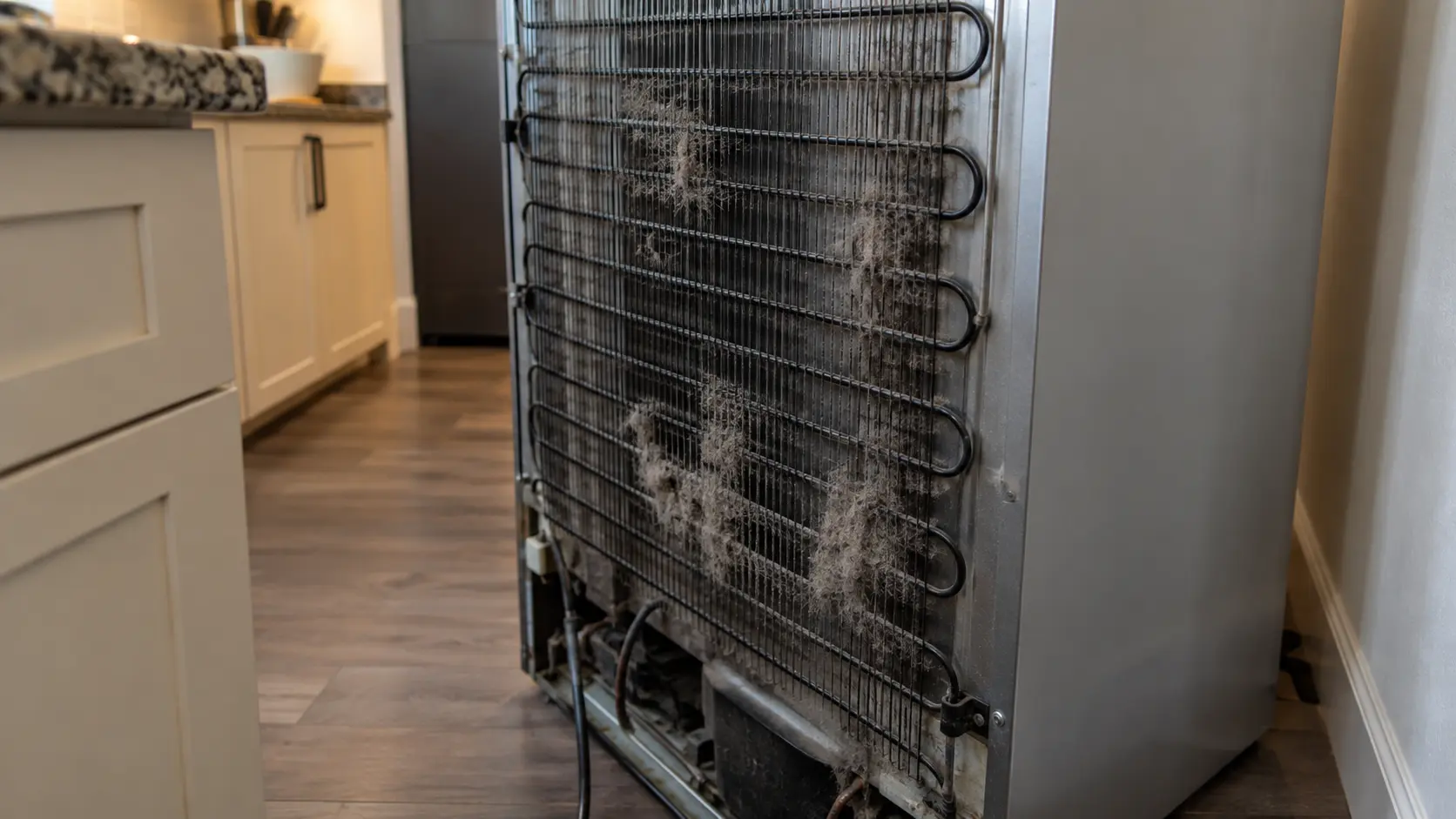
This section is for the owner who has noticed something wrong and wants to know what can be checked before anyone is booked. Every guide here stays on the outside of the machine: thermometers, door gaskets, the tilt of the cabinet, the grille, the vents inside the compartments, the settings menu and the label with the model number on it. None of it needs a tool you would have to buy.
All 19 guides

What you can check yourself.
The checks are written across every kind of refrigerator we repair, from a freestanding French door unit to a built-in, a column pair or an undercounter drawer, because the same observation can point in different directions depending on how the appliance is put together. Where a type needs a different approach, the guide says so.
Each guide also says where to stop. Mains wiring, the sealed system and lifting a built-in out of its opening are not places for experiments, and a clear note of what you saw is worth more to a technician than a panel that has already been taken apart.
Not sure where to start?The short answerFive observations that narrow a refrigerator problem down before anyone visits
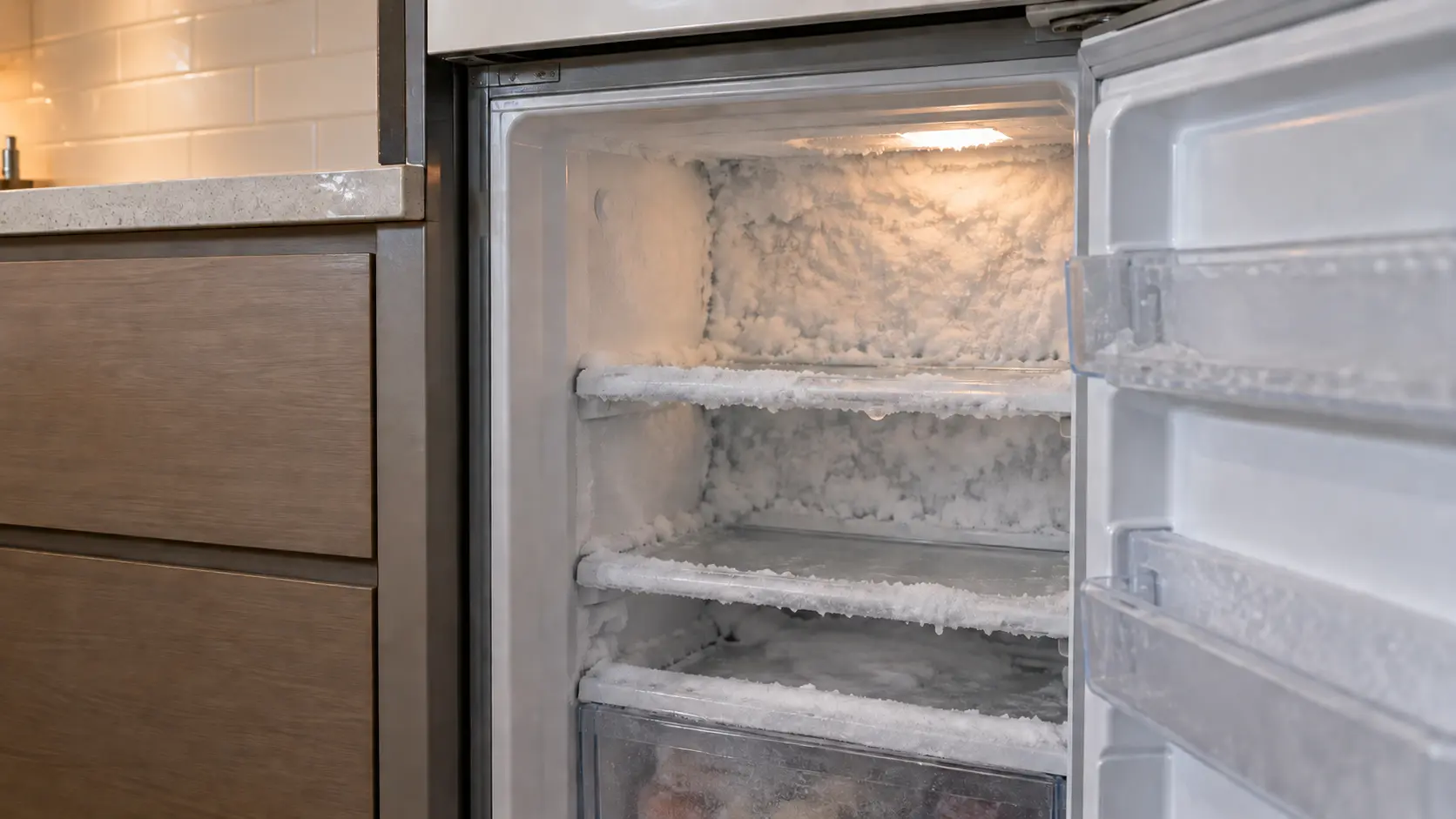
A refrigerator troubleshooting checklist rests on five observations: whether the freezer holds near 0°F while the fresh-food side climbs past 40°F, where frost has formed, which sounds are missing (compressor, condenser fan, evaporator fan), whether the problem drifted or dropped suddenly, and what changed nearby.
The short answerThe paper test, and four other checks that cost nothing
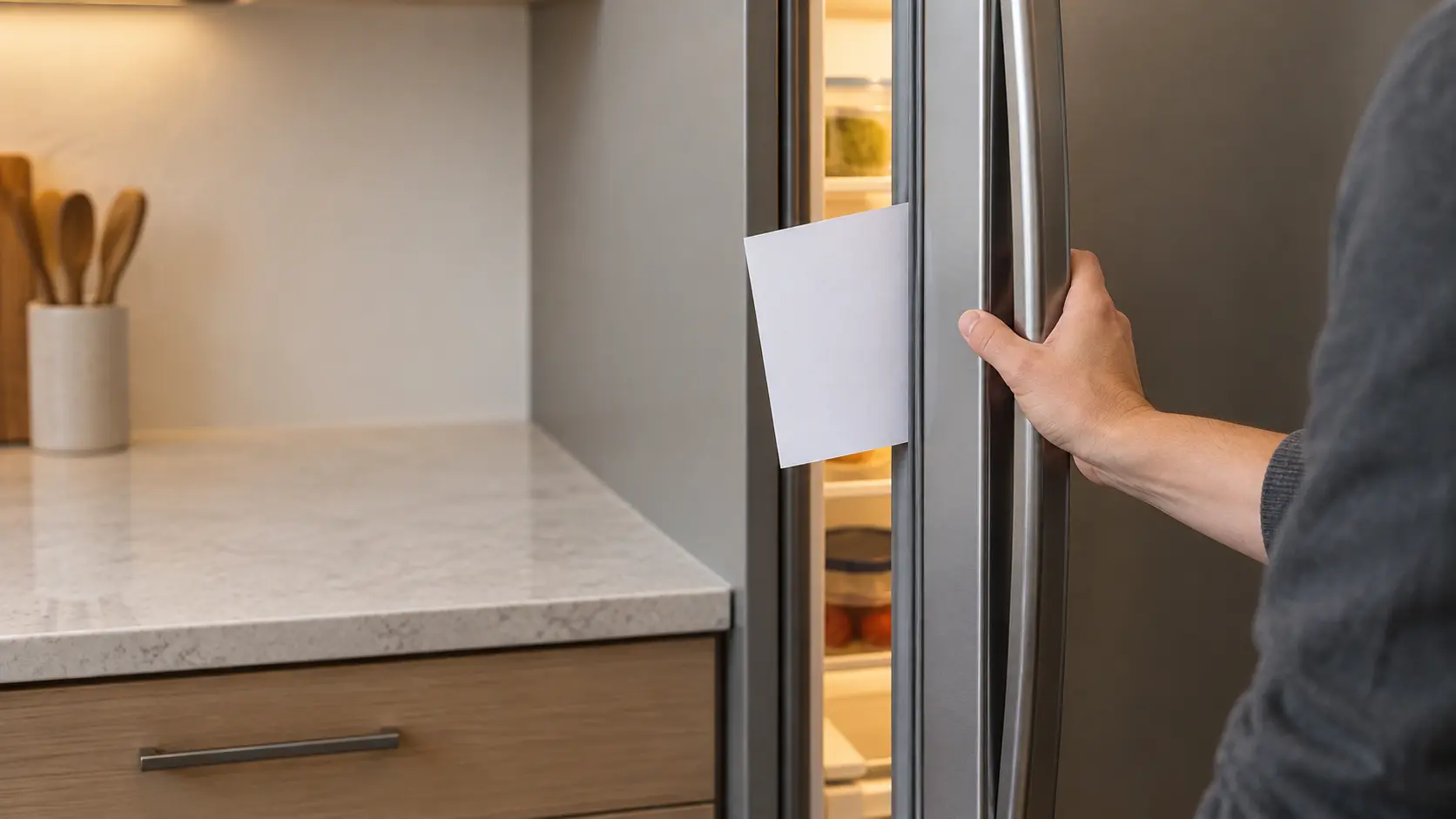
For the refrigerator door seal paper test, close the door on a strip of printer paper every six inches around the gasket, corners included, and pull: firm drag means a seal, no drag means a gap.
The short answerWhere the model number hides, and why nothing works without it
The usual refrigerator model number location is a sticker inside the fresh-food compartment, high on a side wall or ceiling near the light, or low behind the crisper drawers.
When reading
is not enough.
If the checks in these guides did not settle it, the visit picks up from there, stop by stop.
What repairs cost- 01Diagnose
- 02Quote before any work
- 03Parts
- 04Repair and check
The problems
these answer.
Each has a page of its own, with the causes in the order worth checking.
All 18 problems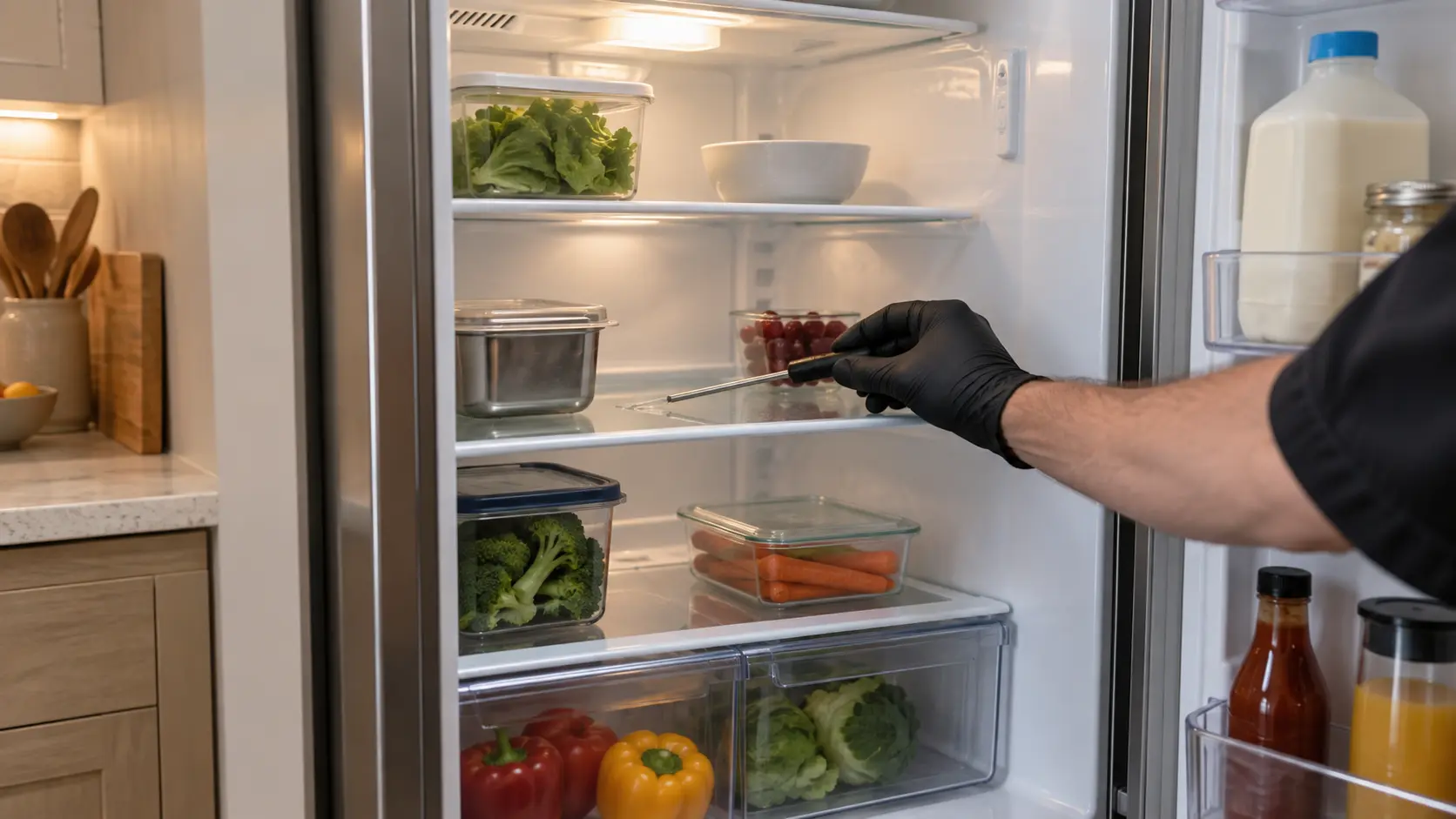

Questions about
troubleshooting.
Will doing these checks change what a visit involves?
Do I need to unplug the refrigerator for these checks?
Which guide should I start with?
The other
sections.
Split by what you are trying to find out rather than by which part of the appliance it concerns.
All guides
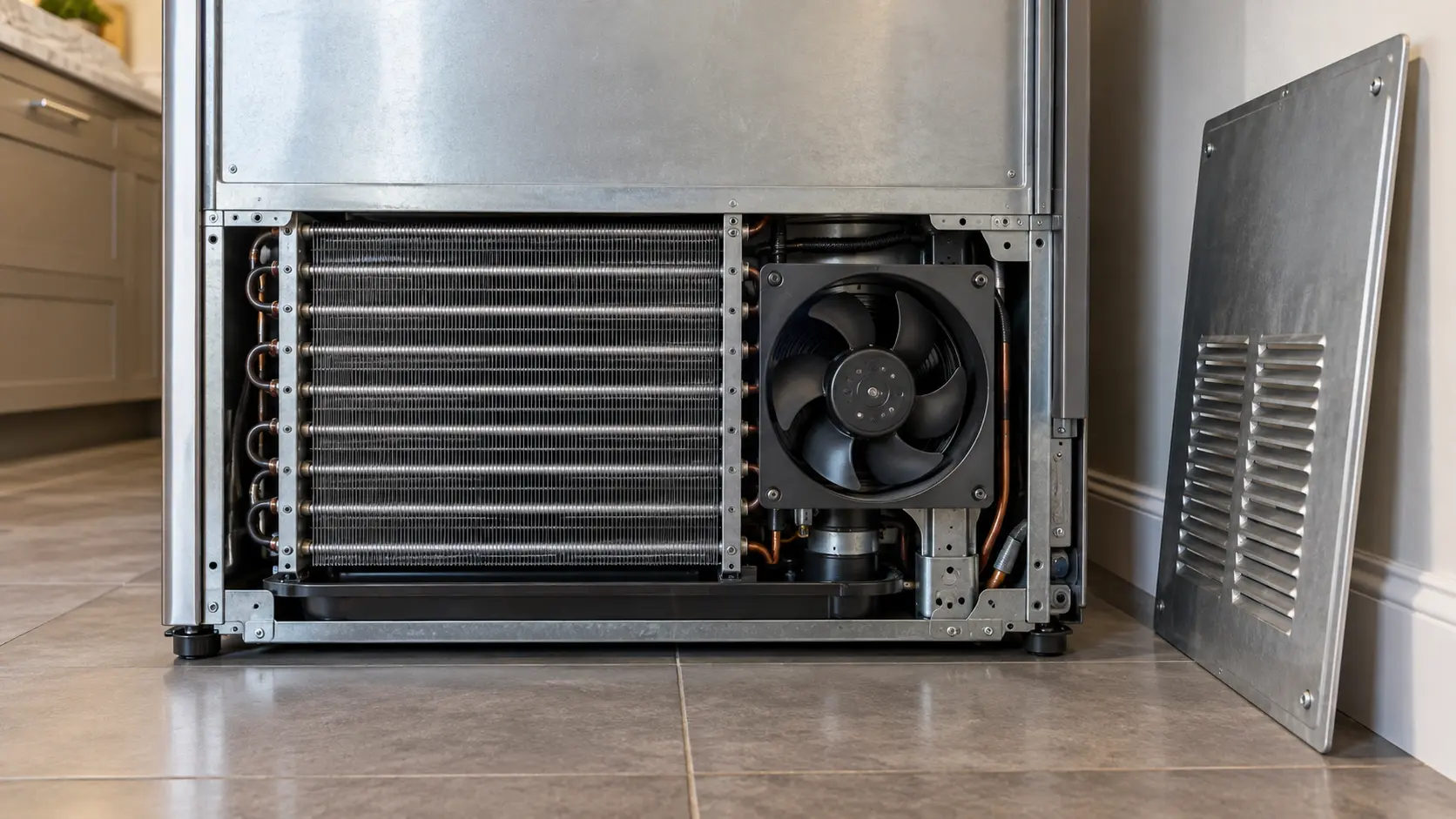
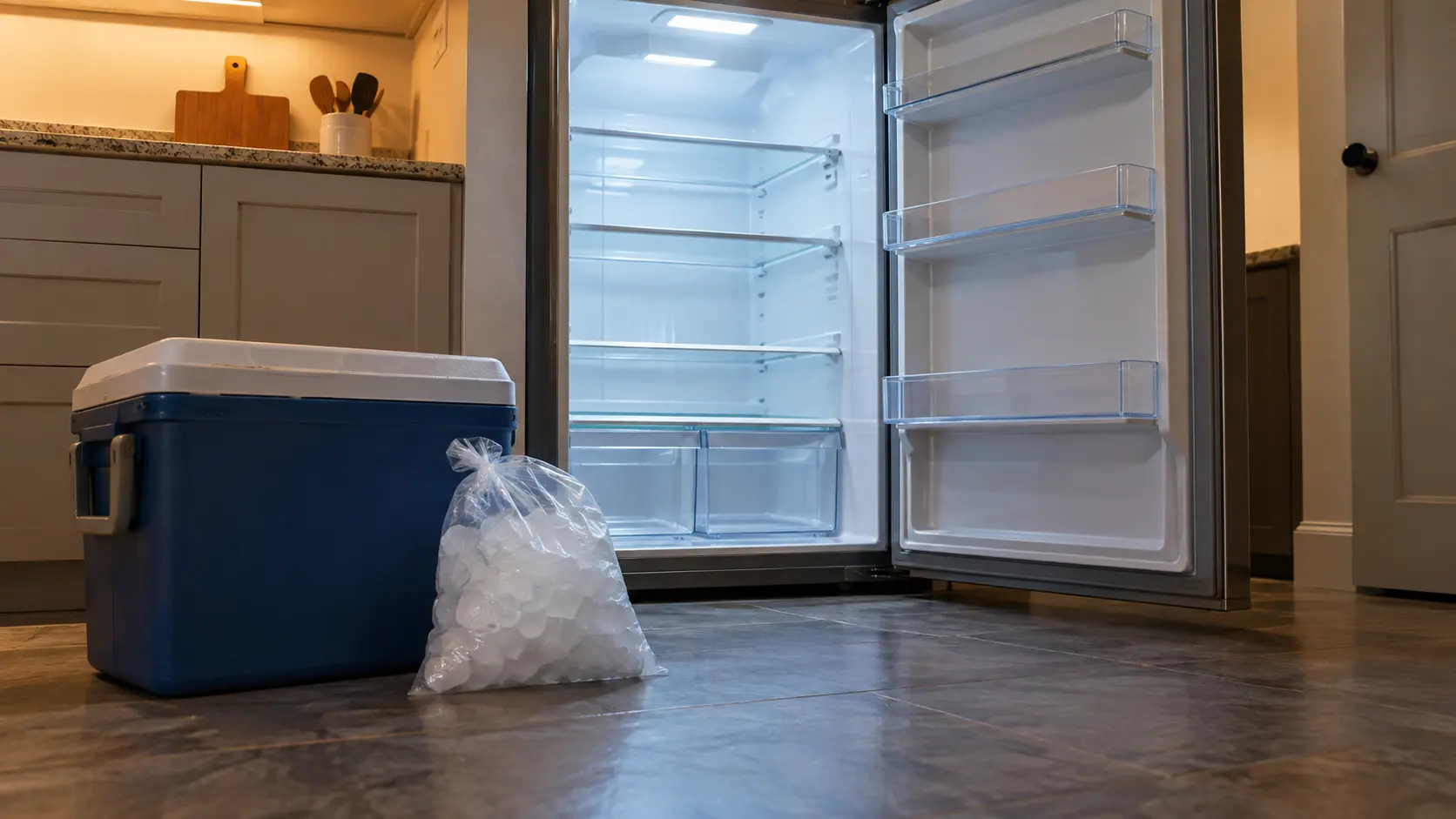
Safety and food

Start from your question
The four questions most visits start with, each with the guide that answers it.
19 guidesWhere to start Where to startBack to your everyday
Let’s get your refrigerator working again.
Three short steps online, or one call. Tell us what you are seeing and pick a window that works.