
Why it is doing that
Common problems
guides.
What a refrigerator is actually telling you when it drifts warm, frosts up, runs without stopping or goes quiet.
Mon–Sat, 8am–8pm
- Three guides
- Read before you book
- Says where to stop
Book a visit
Three short steps, about a minute.
or call (844) 681-4650
Loading appointment form…
The appointment form couldn’t load. Please try again.
Common problems,
guide by guide.
This section is for the moment something about the refrigerator has changed and you are trying to work out what it means. A compartment that has drifted warm, a compressor that no longer rests, a freezer that is fine while the shelves above it are not: each of these is a pattern, and a pattern says more about the cause than any single part name does.
All 19 guides
Why refrigerators stop cooling, in order of likelihood
A refrigerator that never stops running
Why it is doing that.
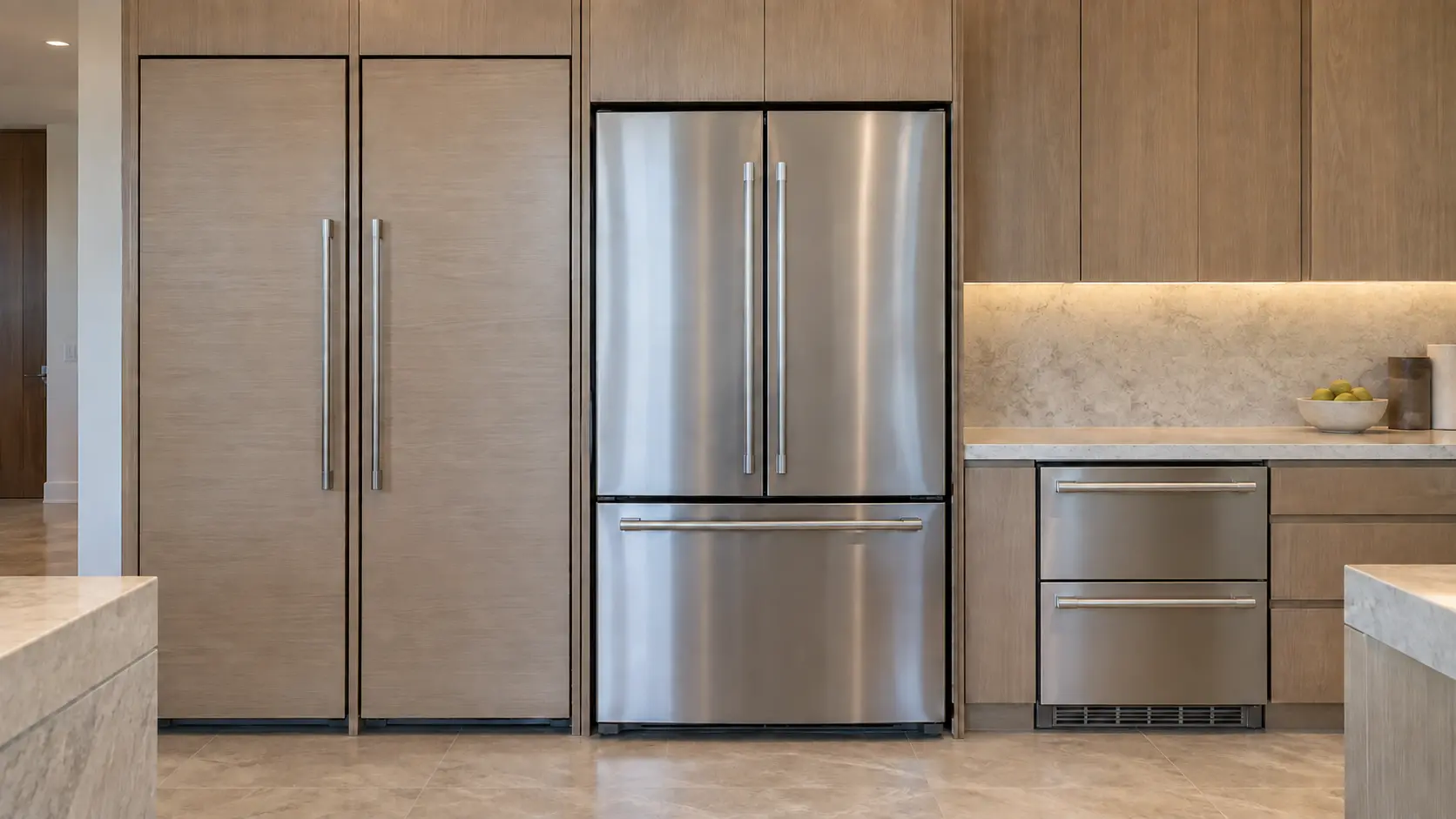
The guides here rank causes by how often they turn out to be the answer, and they explain how the answer shifts between a built-in, a column pair, a French door, a side-by-side and an undercounter unit. They are meant to be read before booking anything, so that the first conversation with a technician starts from what you have already seen.
Where a pattern points toward the sealed system, the wiring or a unit that has to come out of its cabinetry, the guide says so plainly and stops there.
Not sure where to start?The short answerWhy refrigerators stop cooling, in order of likelihood
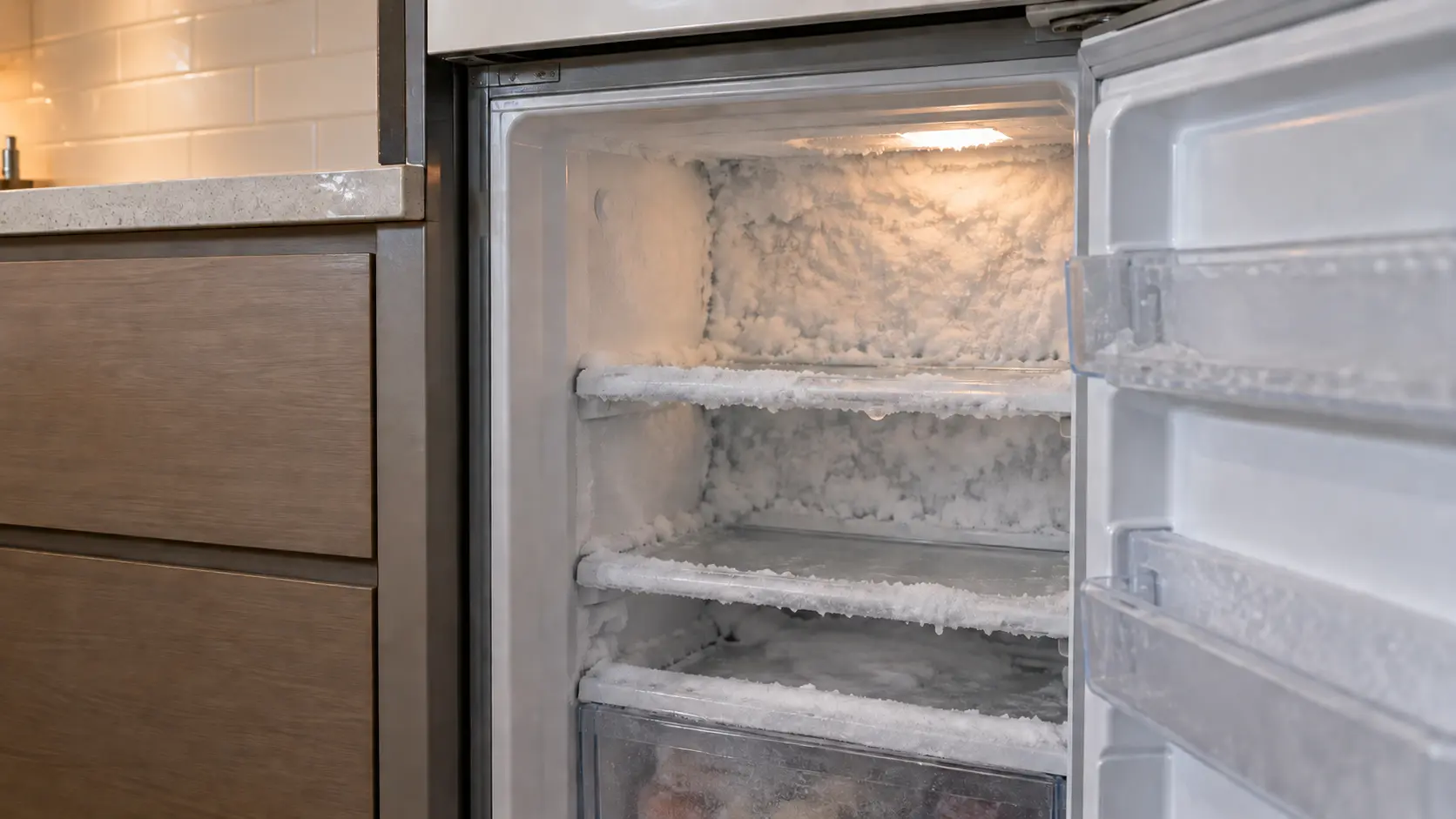
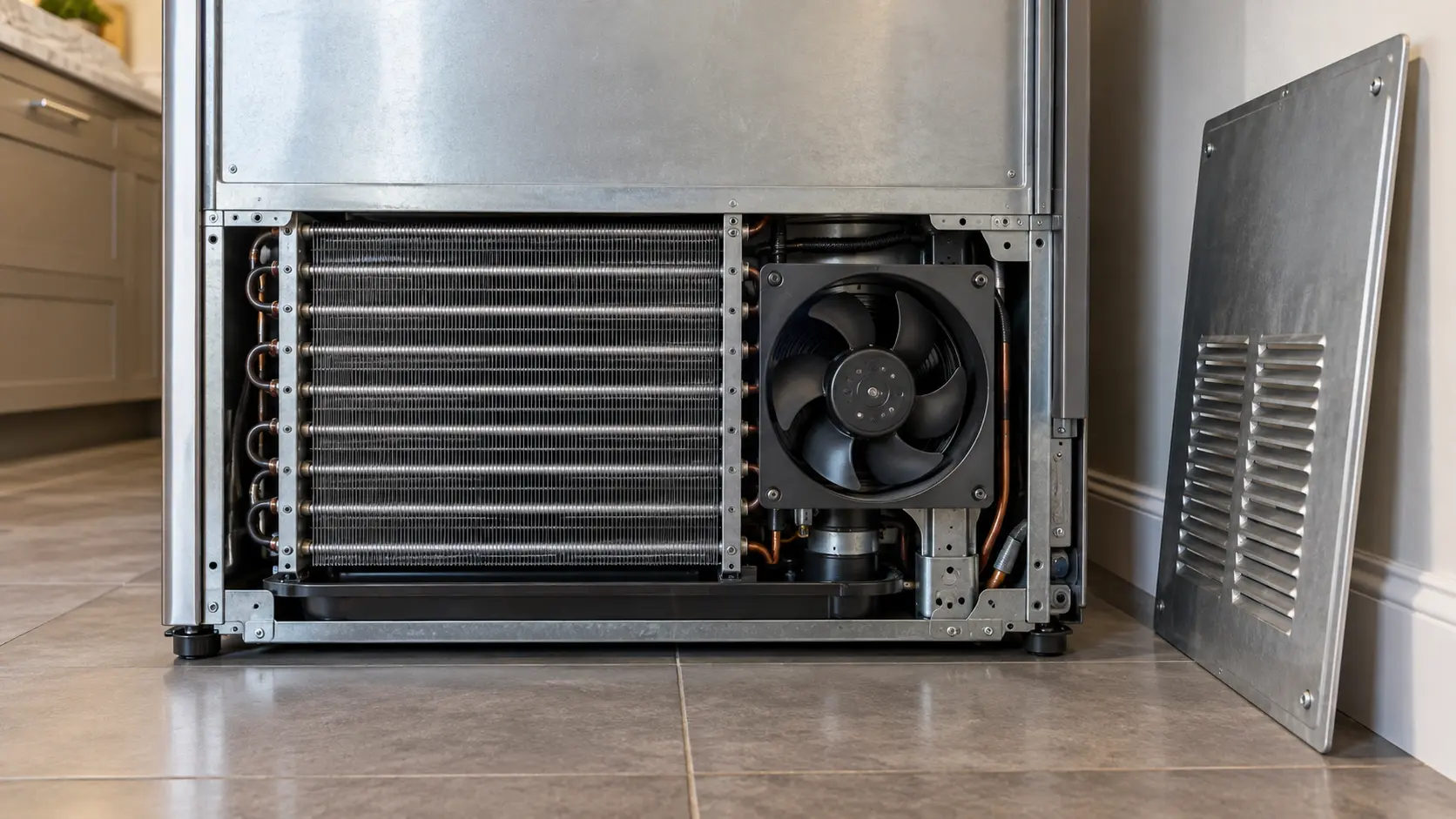
When a refrigerator stops cooling, the most likely cause is air that cannot move: a dusty or blocked condenser, or a stopped evaporator fan.
The short answerFridge warm, freezer cold — the most diagnostic pattern there is
Fridge warm, freezer cold means the compressor and refrigerant are working, but cold air is not reaching the fresh-food side.
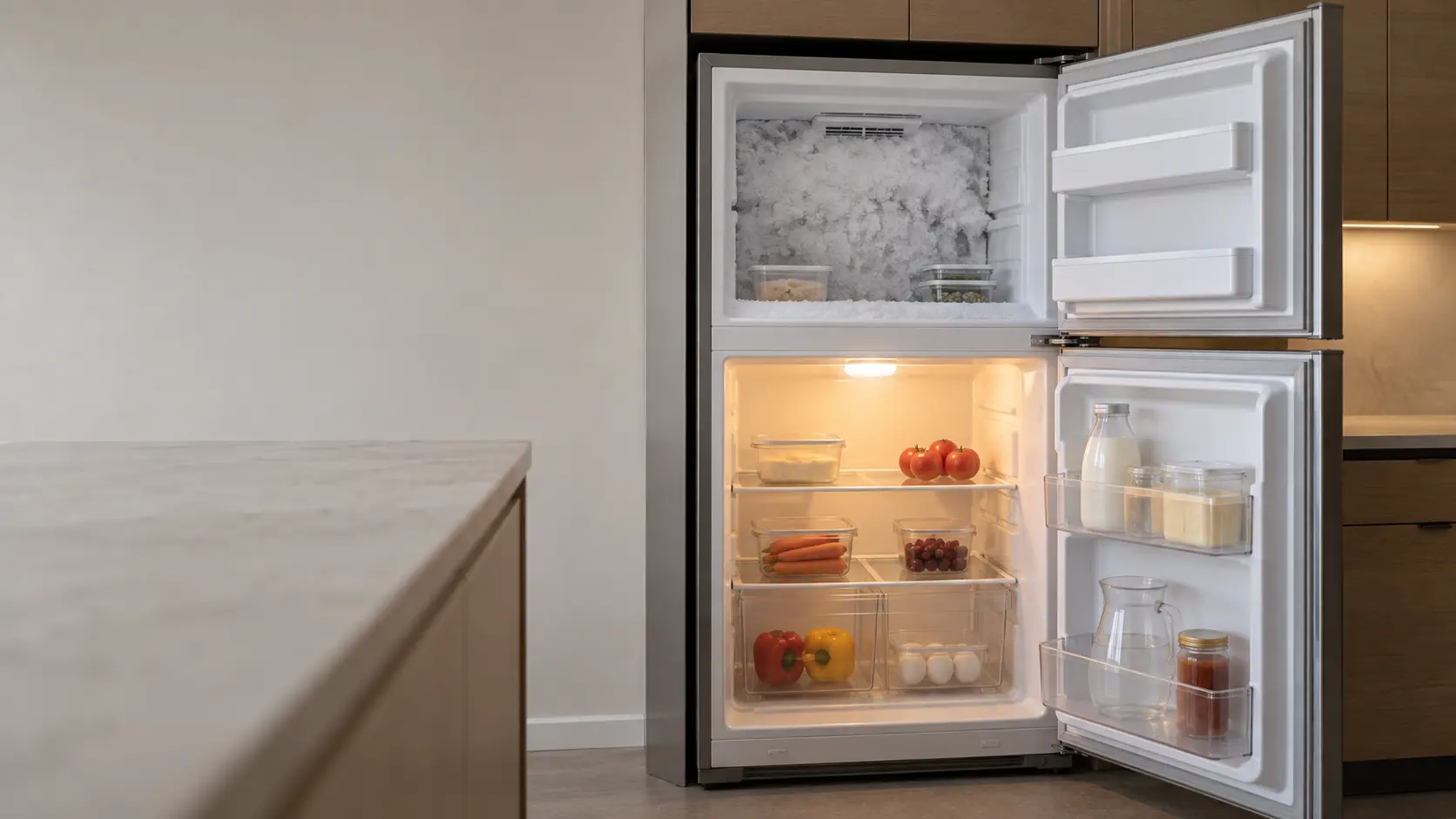
The short answerA refrigerator that never stops running
A refrigerator never stops running either because it loses heat as fast as it removes it or because a sensor tells it to keep going.
When reading
is not enough.
If the checks in these guides did not settle it, the visit picks up from there, stop by stop.
What repairs cost- 01Diagnose
- 02Quote before any work
- 03Parts
- 04Repair and check
The problems
these answer.
Each has a page of its own, with the causes in the order worth checking.
All 18 problems


Questions about
common problems.
Which of these guides should I read first?
Do these apply to every brand?
Will reading these replace a diagnostic visit?
The other
sections.
Split by what you are trying to find out rather than by which part of the appliance it concerns.
All guides
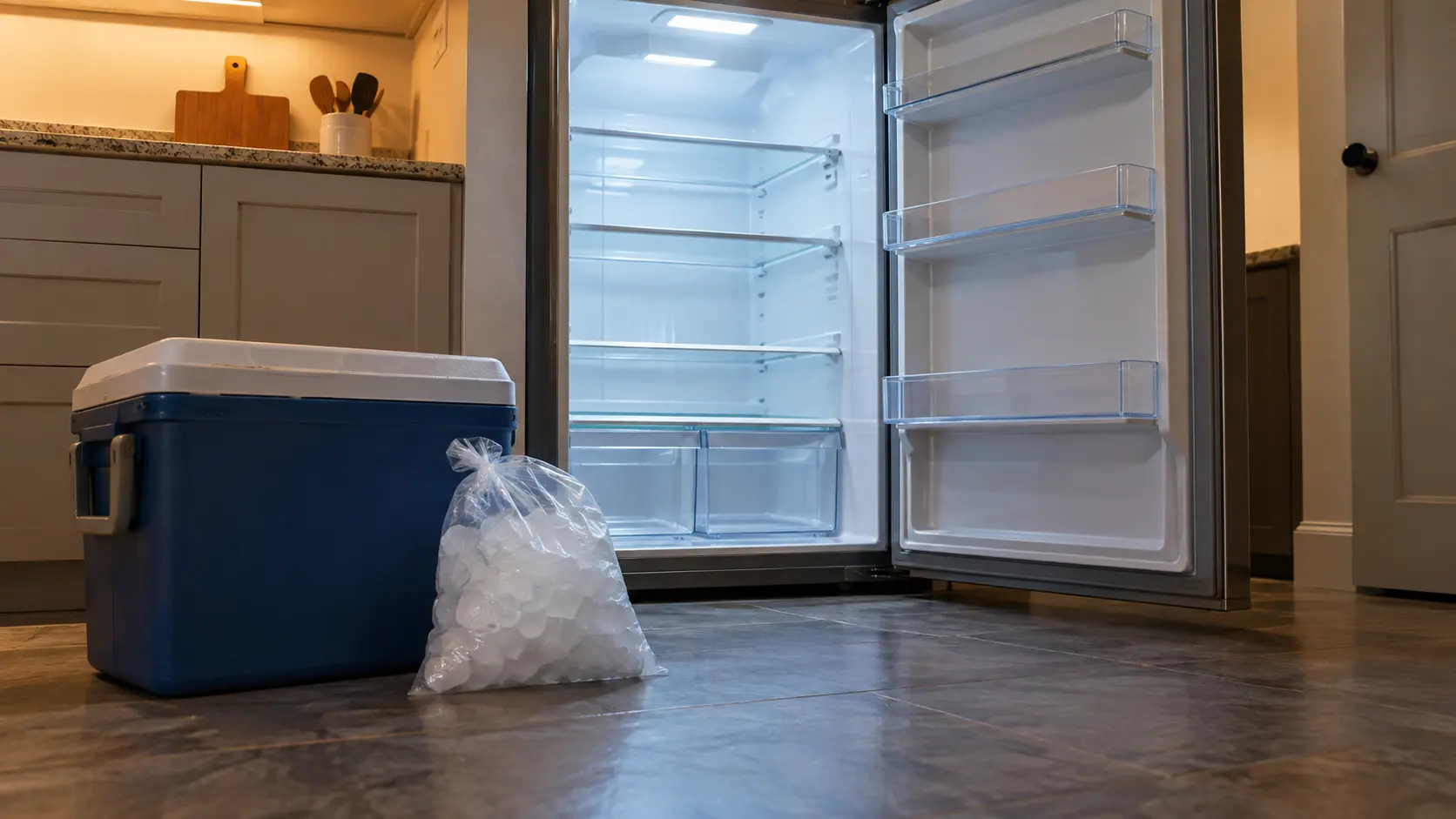
Safety and food
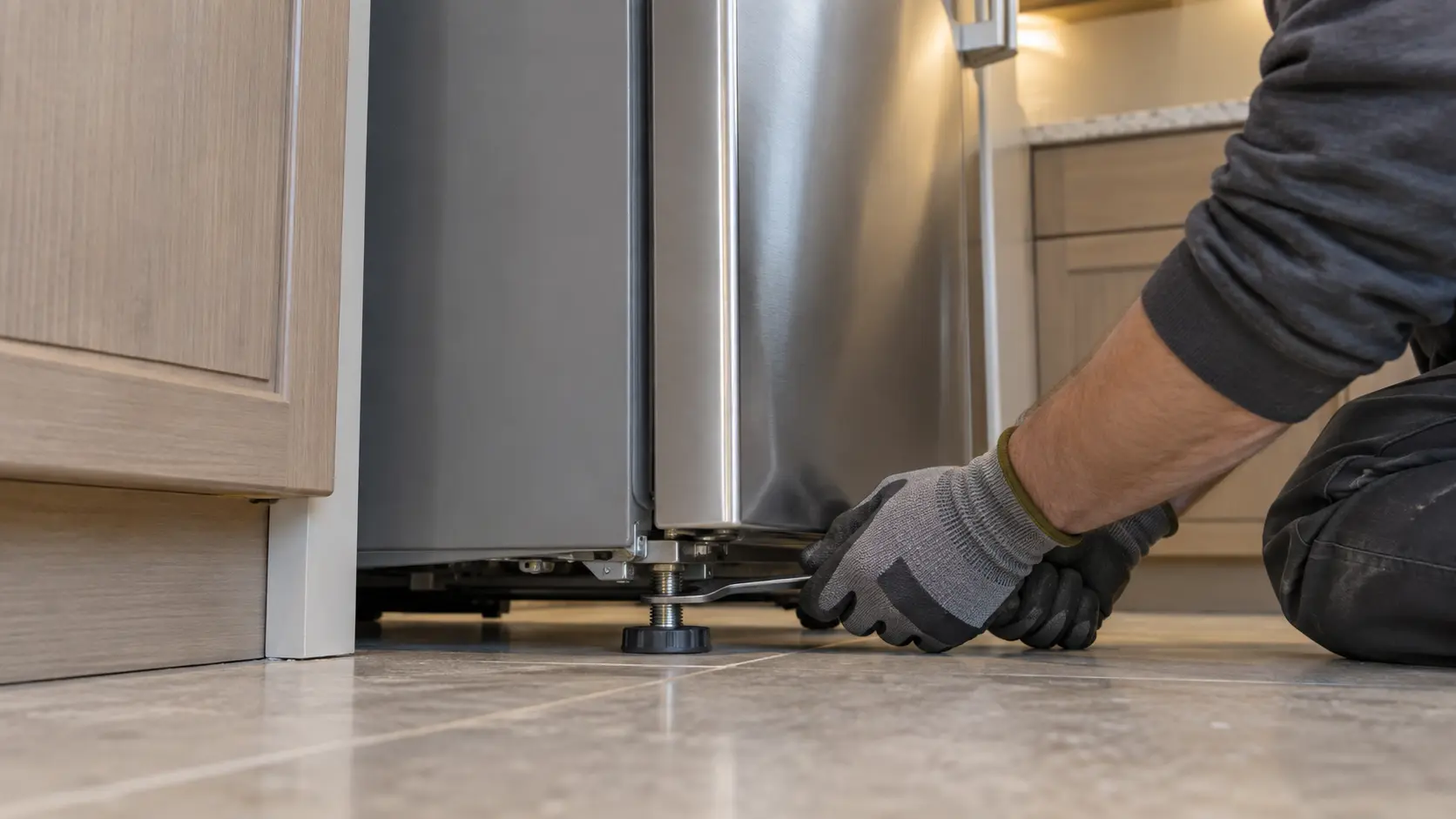
Start from your question
The four questions most visits start with, each with the guide that answers it.
19 guidesWhere to start Where to startBack to your everyday
Let’s get your refrigerator working again.
Three short steps online, or one call. Tell us what you are seeing and pick a window that works.